Reach 03 · Licenses & Regulations
Licenses and regulations without the headache
What a fishing license typically costs and why prices differ, plus how hunter education, licenses, tags and stamps fit together for a legal season.
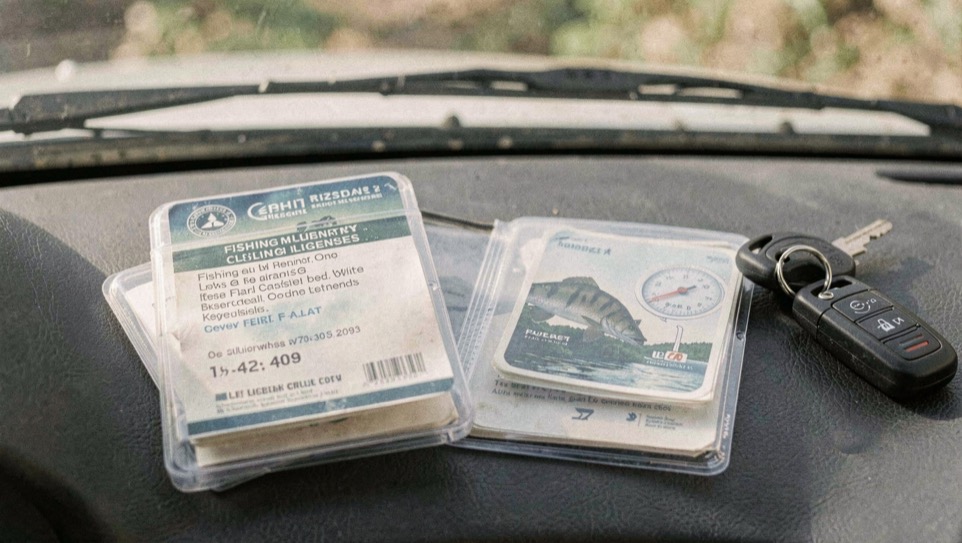
Every state writes its own license law, sets its own fees and spends the money on its own fish and wildlife. That single fact explains most of the confusion this reach clears up: why a resident annual fishing license typically runs 25 to 45 dollars in many states while a nonresident pays roughly double, and why the endorsements that matter on one river do not exist on another.
The two notes here pair the fishing side with the hunting side: fees, hunter education, tags, stamps and the habits that keep a trip legal without turning into paperwork. Buy the license the night before the trip, not the morning of it, and the rest of the regulations begin to make sense.
In this reach
-
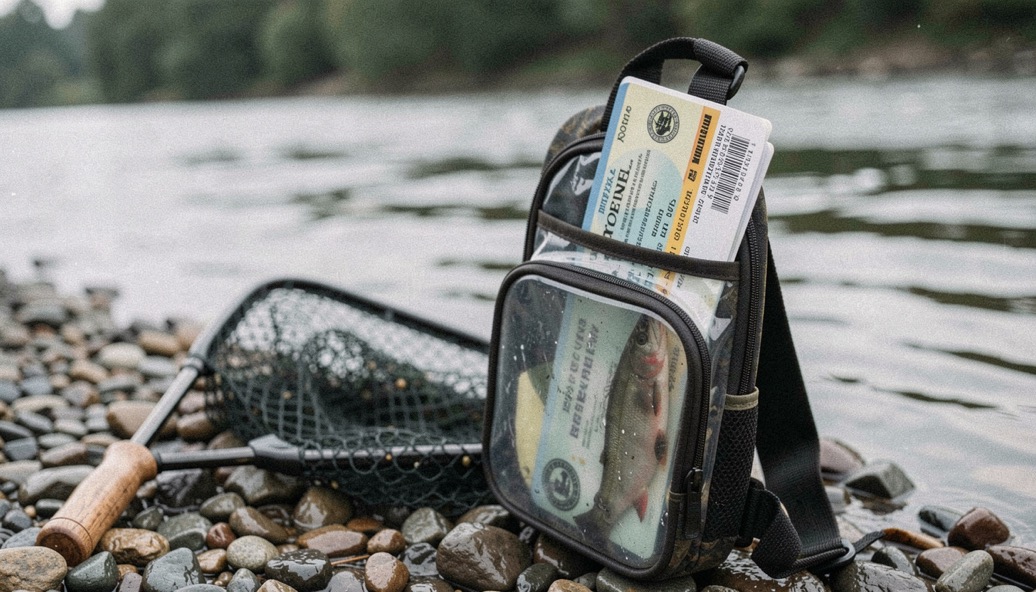
What a fishing license costs, and why
There is no national fishing license price because there is no national fishing license. Fifty states sell their own, price their own and spend the money on their own water. Here is how the bands run, what the tiers mean, and why the fee is the cheapest line in the trip budget.
-

Hunter education, licenses, tags and stamps
A legal hunt is a stack of four papers in the right order: education card, license, tags and stamps. Each layer exists for a reason, each has its own clock, and the stack is easier to buy than to explain at a checkpoint.
Every note in this reach reads against the hunting season calendar guide, and two neighbouring reaches extend it: Fly Fishing Basics and Hunting Seasons.